What my dad taught me about AI coding in the 90s
摘要中文导览(来自条目评分时的双语摘要,基于原文提炼):
- Mike van Rossum 从童年与父亲下盲棋的经历谈到 AI 编程:强盲棋手并非把棋盘拍成照片记住,而是维护一组结构化关系——重要子力位置、攻防格、开放线与兵形、牵制与双击、每步之后什么变了。他把这套能力接到 Claude Code 类工具上:AI 代驾让人天然松懈,不必每轮盯着、不必记住接口和 API 之间的关系;但那些完全不读不写代码仍能驾驭工具的人,靠的正是盲棋手式的能力——在脑中维持代码如何咬合的模型,理解实现只是某个更抽象目标的表达,光靠想就能把一段实现简化掉。作者也承认对非亲手写的代码建立这种模型更难、何时讲细节何时讲高层还没找准;结尾留的真问题是这种能力无法量化——能想出的任何可量化指标,AI 都会先把它解掉。
文章信息
- 作者: Mike van Rossum
- 发布: 2026-08-23
- 原文链接: https://askmike.org/articles/ai-coding-lessons-in-the-90s-from-my-dad/
- 标签:
ai-codingmental-modelsblindfold-chesscraftsmanshipessay
原文摘录(开头)
_Posted at August 23, 2026_
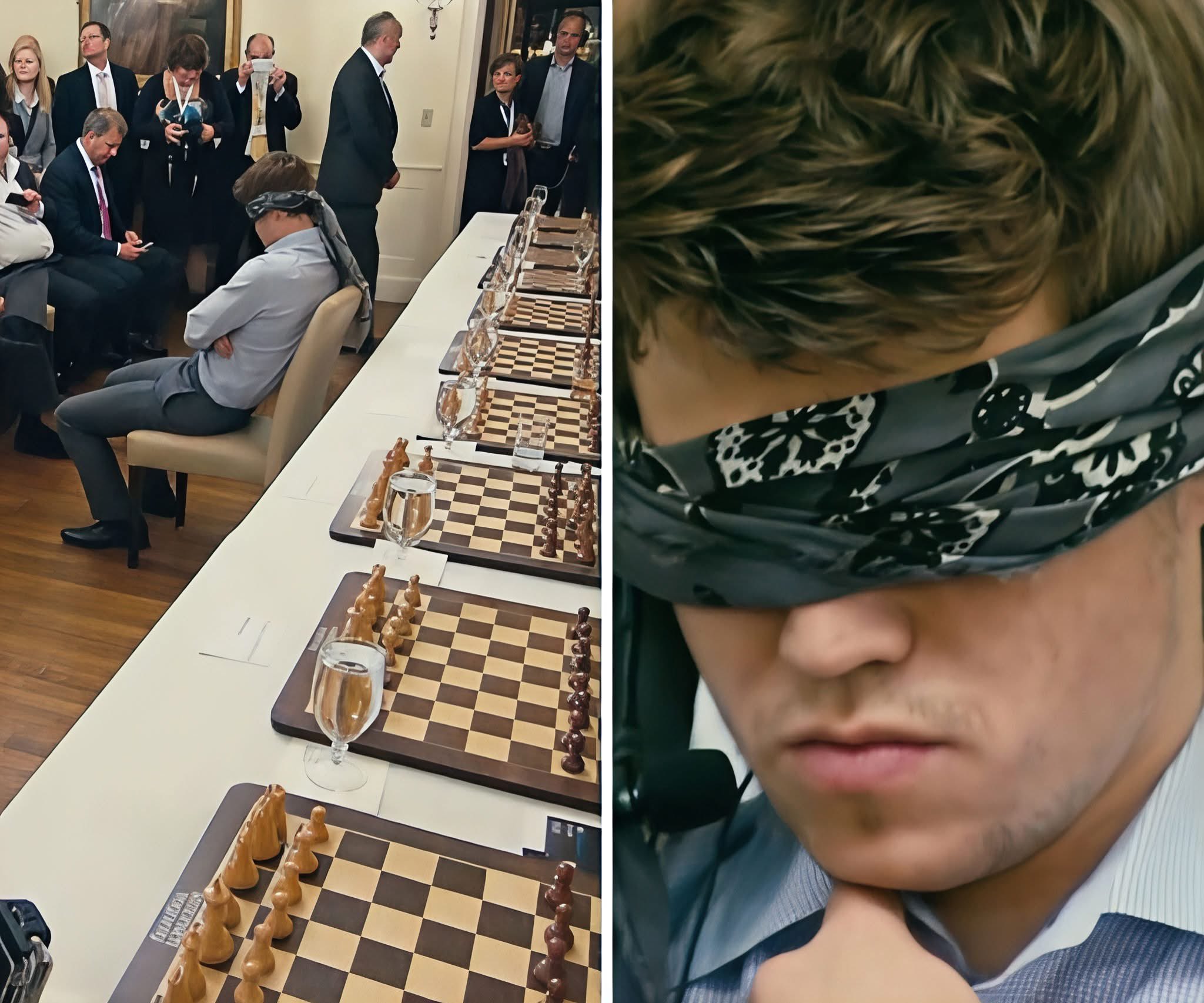
It was a summer holiday, sometime in the late 1990s. I was a young kid, around 8 or so. My dad had taught me the rules of chess before and we played from time to time. But this time was different: As we were about to start he stood up and walked away from the board, sitting down in a chair across the room and facing the other way.
Whenever I moved a piece I was to simply say the move "pawn from E2 to E4" out loud. My dad would then reply back with his move, which I could re-enact on the board to actually see what was going on. We were playing blindfolded chess. I remember telling him I was moving a piece from X to Y, while the piece wasn't on X. Without hesitating he told me exactly where the piece was. I lost the game pretty quickly, but I was fascinated.
Strong players generally don’t picture a perfectly detailed board like a photograph. They track a structured set of relationships:
- Where the important pieces are
- Which squares are attacked or defended
- Open files, diagonals and pawn structures
- Tactical relationships such as pins, forks and loose pieces
Summary (EN)
Mike van Rossum draws on childhood blindfold chess with his father to frame AI coding: strong players don't photograph the board, they maintain a structured set of relationships — piece positions, attacked and defended squares, open lines, pins, and what changed each move. With Claude Code-style tools the experience is the inverse: the AI drives and humans naturally slack off. But those who can wield such tools without reading or writing code rely on exactly the blindfold player's skill — holding a mental model of how the code interlocks, treating implementation as expression of a more abstract goal. His closing question: chess has ratings, but this ability resists quantification because any metric you can name, AI will solve first.
Obsidian 证据摘录
入选自 Obsidian《ClawFeed 24小时高价值一览 · 2026-08-31》第6篇:盲棋心智模型类比 AI 编程的短文。